Treasuring the Moment
Fighting for my autistic kid was a battle, but it was a worth it

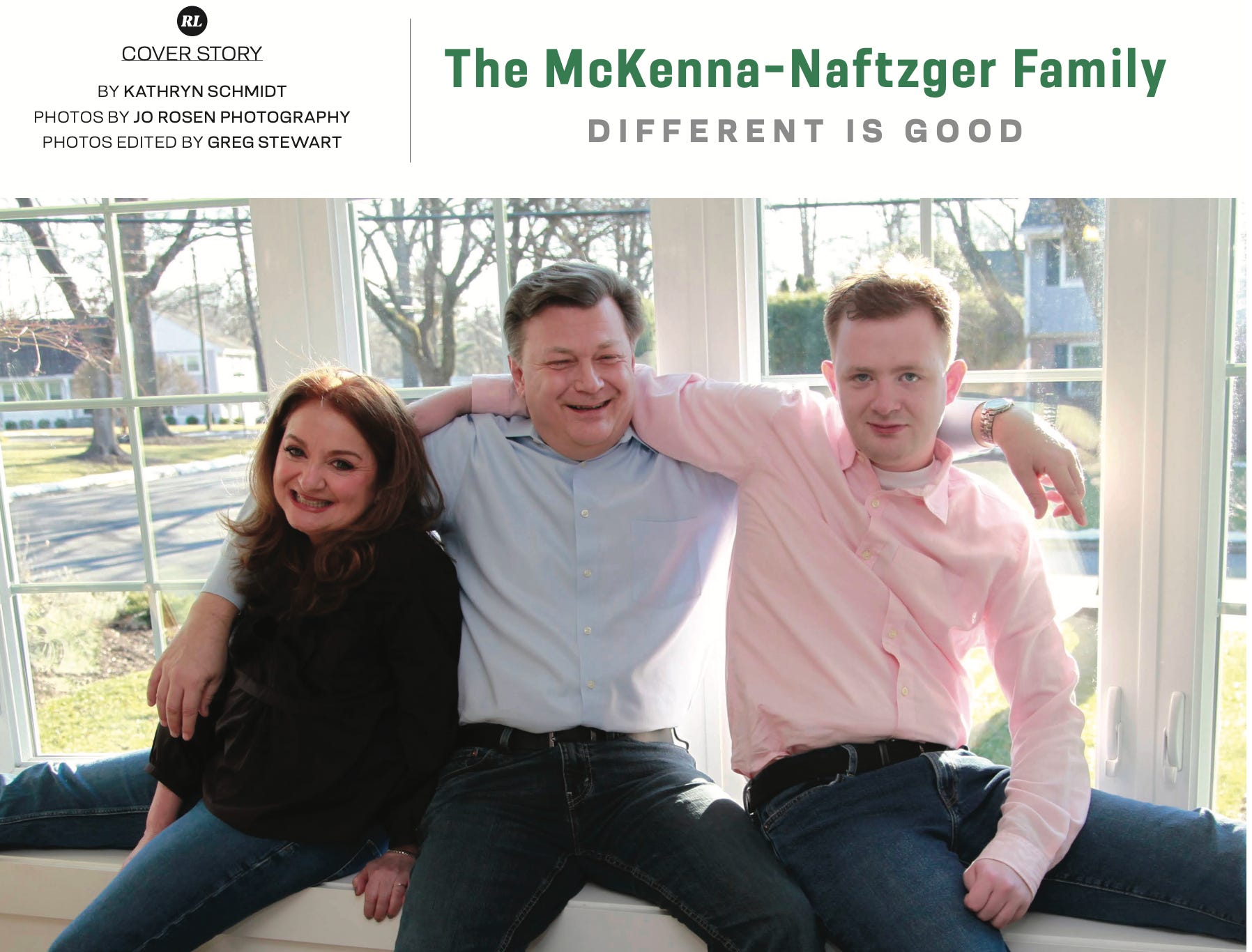
Last weekend, we drove up to my son’s college for Parents’ Weekend. We made the long drive up to Vermont to check on Ian and to soak in two days of rah-rah neurodiversity presentations. It’s beyond lovely to be in a place where we feel like we belong.
They put on a nice spread for parents. My oldest child attended New Jersey’s flagship public college, which had no budget for a fancy Parents’ Weekend with presentations or events. They handed out free hot dogs on a football field. Ian’s college had a nice reception where parents mingled with staff.
Ian has been “in the system” for disability services since he was two and didn’t meet his milestones for speech. Later, he was diagnosed with autism at age five, when he ignored the neurologist’s questions and instead read the small print on the side of a water bottle. In total, I endured 19 years of IEP meetings until we finally left the public school system when he was 22 years old. This weekend was an antidote to two decades of discouraging evaluations, marginalization, and pessimism.
Because he had unusual strengths and weaknesses, Ian didn’t fit into any existing program very well. He was in seven different schools or programs in total, none of which was perfect for him. His failures and the rationalization for school changes were outlined in yards of paperwork for the school district.
An IEP is a document drafted by the school with parental input, outlining how the district will provide a free, appropriate education for a student with disabilities. Sounds great, right? Typical students don’t have rights to an individual education, so you would think that an IEP would be awesome. In reality, IEP meetings and the whole special education process are torture for families.
IEPs focus on a child’s deficits because those problems are what qualify him for special education. Nobody gets an IEP because they can memorize the multiplication tables after glancing at them once. (Ian did that.) A forty-page document that outlines all of your baby’s deficiencies and the school’s half-hearted attempts to create steps towards improvements is an exercise in misery.
If the school doesn’t want to educate your kid, a hollow document isn’t going to force them to do it. There are no incentives to do it properly. It’s expensive to create a system with the right support for teachers and students. Administrators would rather fund an extra AP class than a social skill group. Many school leaders don’t believe that our kids have a real future and see their role as babysitters until adulthood.
We had to fight to keep our son from being isolated in inappropriate classrooms. I read education law. We paid for an expensive evaluation at Yale showing that he had a high IQ. We supplemented his education with tutors for math, private speech therapy, private social skill groups, and special camps.
When I couldn’t find a social group that was a good fit for Ian, I organized my own group for him. I spent years escorting groups of boys with high-functioning autism to bowling alleys and video game arcades.
When he was finishing high school, the social isolation of COVID and medication reactions from suddenly getting epilepsy set him back. He wasn’t ready for high school or college, so I kept him in the system until 22. If you want to get into the weeds with that process, you can check out my newsletter, The Great Leap.
After three years of transition programs, the school district happily cut him loose. That summer, I sent him to a program at an autism college in Vermont. (Google it.) It was a six-week program in a dorm — his first time away from home. As an autism mom, I am trained to prepare for all scenarios — you never know how things will work out. So, we kept our weekends free in case we had to get him.
After four weeks, we got a phone call from the college, but not with a problem. He wasn’t being ejected because he told the professor that he was dumb. Rather, they invited him to apply to the college as a full-time student in the fall. We needed a little time to organize the funding, so we deferred admission until the spring semester.
The spring of 2025 was a lot of “firsts” for Ian. It was his first time doing a full course load, in person, in a dorm, with a roommate. He already had 30 credits of community college classes, so we were fairly confident he could manage the academics in his preferred subjects — math, computers, and music. But could he do a college-level writing class? We had no idea. Again, we kept our weekends free, in case he had to come home.
He did it. Then, he completed a fall semester with a one-class overload — five classes in total. This semester, he’s getting A’s in five classes. We chat every night, and answer questions on his homework. Sometimes his questions are a reading comprehension issue. Other times, he runs into problems because he doesn’t have enough background knowledge of a topic; he never got proper classes in science or social studies.
It’s fun to work with Ian, because he’s so fast. On Friday, we figured out the interest rates on home mortgages together. He did all the computations; I translated the word problems for him. Even when the subject falls in his weak areas, he keeps learning and feels more confident in himself. Increasingly, he doesn’t even need our help, but still likes to check in with us.
Ian’s autism college provides pathways for the families to talk with faculty. At typical colleges, parents are kept far from the faculty, but this college understands that parents are often in the background of the neurodivergent children’s lives into adulthood. During parents’ weekend, we scheduled a talk with Ian’s college advisor to get some ideas about the next steps.
Our plan was for Ian to complete his Associate’s degree by the end of the year, and then look at ways to get him a job doing something with computers. We didn’t feel like he would enjoy or benefit from all the liberal arts classes that are necessary for a Bachelor’s degree.
Ian’s advisor thought that he shouldn’t finish his college education so quickly. We looked at the course requirements to get a BA at his current college. We reviewed what math and technology offerings to see if there were enough classes to keep him challenged for another two years. She suggested that he might benefit from transferring to an engineering college.
Two years ago, we hoped that Ian would stock shelves at Best Buy. Now, we’re talking about engineering colleges. Teachers gave up on my son too easily. I was afraid to dream big. I’m treasuring this moment.

More
After spending years researching pathways for my son, I started an autism-college consulting company in 2024. A year later, I was absorbed into a nonprofit agency, where I provide the same help. If you would like some free pointers on autism college, you can subscribe to one of two newsletters: The Great Leap and The Autism College Connection.
The image at the top is from local magazine that did an amazing profile of my family. I’ll upload the .pdf and share soon.
I wrote this newsletter, after my Substack note about Ian went viral with 40,000 views. Thanks to everyone who sent us kind responses.
You are amazing! Not only did you move mountains for your own son, but you have and are helping so many other families. ❤️
Wonderful. Just wonderful! I am so happy for Ian- and for you and your husband. I am certain the news for Ian will only get better!
Don’t we all benefit from people who know who we are and are interested in who we can be, not focused on who we are not.